
Hydrostatic weight-bearing casting for faster socket fitting
Majicast captures residual limb shape under full weight-bearing load, so you can fit a prosthetic socket in a single session.
Hydrostatic weight-bearing casting for faster prosthetic socket fitting
Majicast captures the shape of the residual limb under functional load using hydrostatic pressure, enabling clinicians to fabricate and fit a prosthetic socket in a single session
Key Benefits
HYDROSTATIC WEIGHT-BEARING
Uses the patient’s body weight to shape accurately and support better load transfer.
SOFT TISSUE CONTROL
Stabilises distal tissue during capture for more accurate shaping and balanced pressure
STANDARDIZED PROCESS
Reduces variation that comes with manual casting techniques.

FASTER
FITTINGS
Supports a quicker pathway from check socket to interim and definitive.

REMOLDABLE SOCKETS
Reduces reliance on plaster casting and helps cut material waste through remoulding and targeted adjustments
DIGITAL INTEGRATION
Enables scanning of the captured socket/shape into a 3D model for digital documentation and CAD workflows.
Key Benefits
HYDROSTATIC WEIGHT BEARING FITTING
Uses patient weight for accurate shaping and optimal load transfer
PROPRIETARY SOFT TISSUE CONTROL
Stabilizes distal tissues for anatomically correct, pressure-balanced sockets
STANDARDIZED PROCESS
Reduces variability associated with manual casting
FASTER FITTINGS
Supports rapid socket fabrication, from check socket to definitive.
DESIGNED FOR REMOLDABLE SOCKETS
Eliminates plaster casting and reduces material waste during fitting.
DIGITAL WORKFLOW INTEGRATION
Supports rapid socket fabrication
Key Benefits
HYDROSTATIC WEIGHT BEARING
Uses patient weight for accurate shaping and optimal load transfer
SOFT TISSUE CONTROL
Stabilizes distal tissues for anatomically correct, pressure-balanced sockets
STANDARDIZED PROCESS
Reduces variability associated with manual casting
FASTER FITTINGS
Supports rapid socket fabrication, from check socket to definitive.
DESIGNED FOR REMOLDABLE SOCKETS
Eliminates plaster casting and reduces material waste during fitting.
DIGITAL WORKFLOW INTEGRATION
Supports rapid socket fabrication
How it works
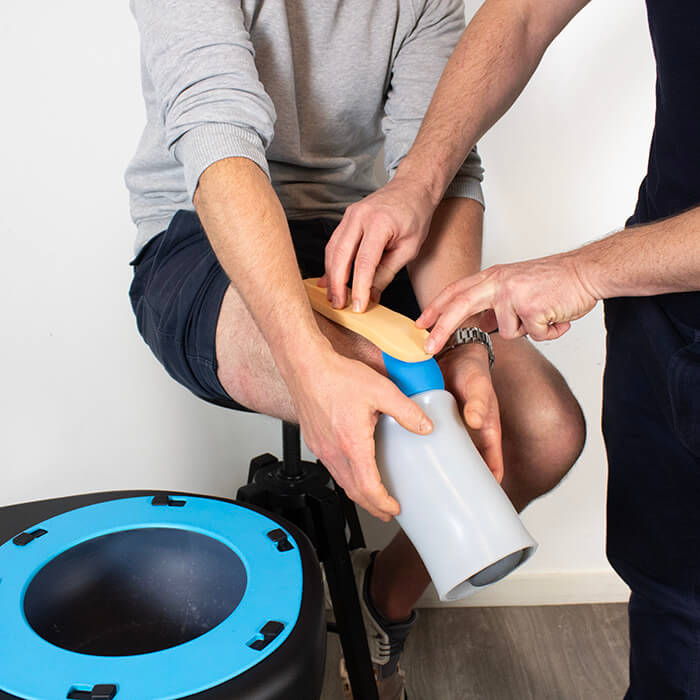
Residual limb Preparation
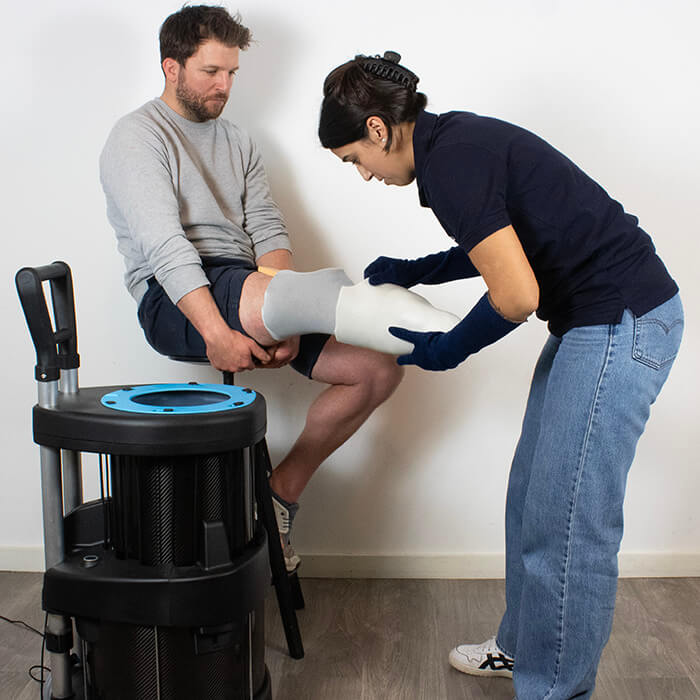
Fitting the Socket
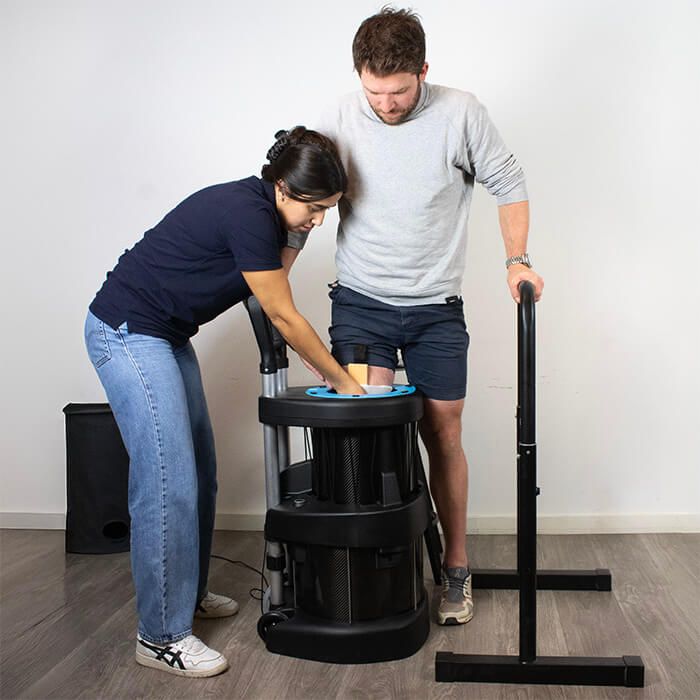
Positioning on Majicast and Hydrostatic Fitting
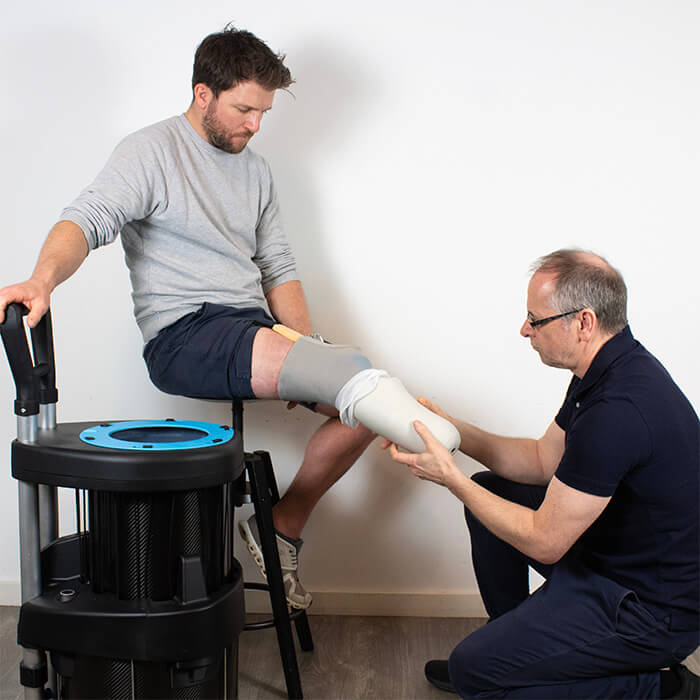
Removing and Finishing the Socket
Control distal tissue for comfort and function
Soft tissue can migrate under load, which can distort distal geometry. Majicast’s proprietary Soft Tissue Control stabilises distal tissue during weight-bearing capture, gently shaping the limb while minimising shear and soft-tissue deformation.
This helps create a comfortable, anatomically accurate, pressure-balanced socket—giving clinicians a consistent limb impression that reflects real-world use.
Hydrostatic weight-bearing is the best starting point for shape capture.
Traditional casting can be inconsistent, leading to discomfort, repeat visits and rework.
Prosthetic socket discomfort is rarely “just the socket”. It often starts earlier—when the residual limb’s shape and volume are captured without fully reflecting how the limb behaves under body weight.
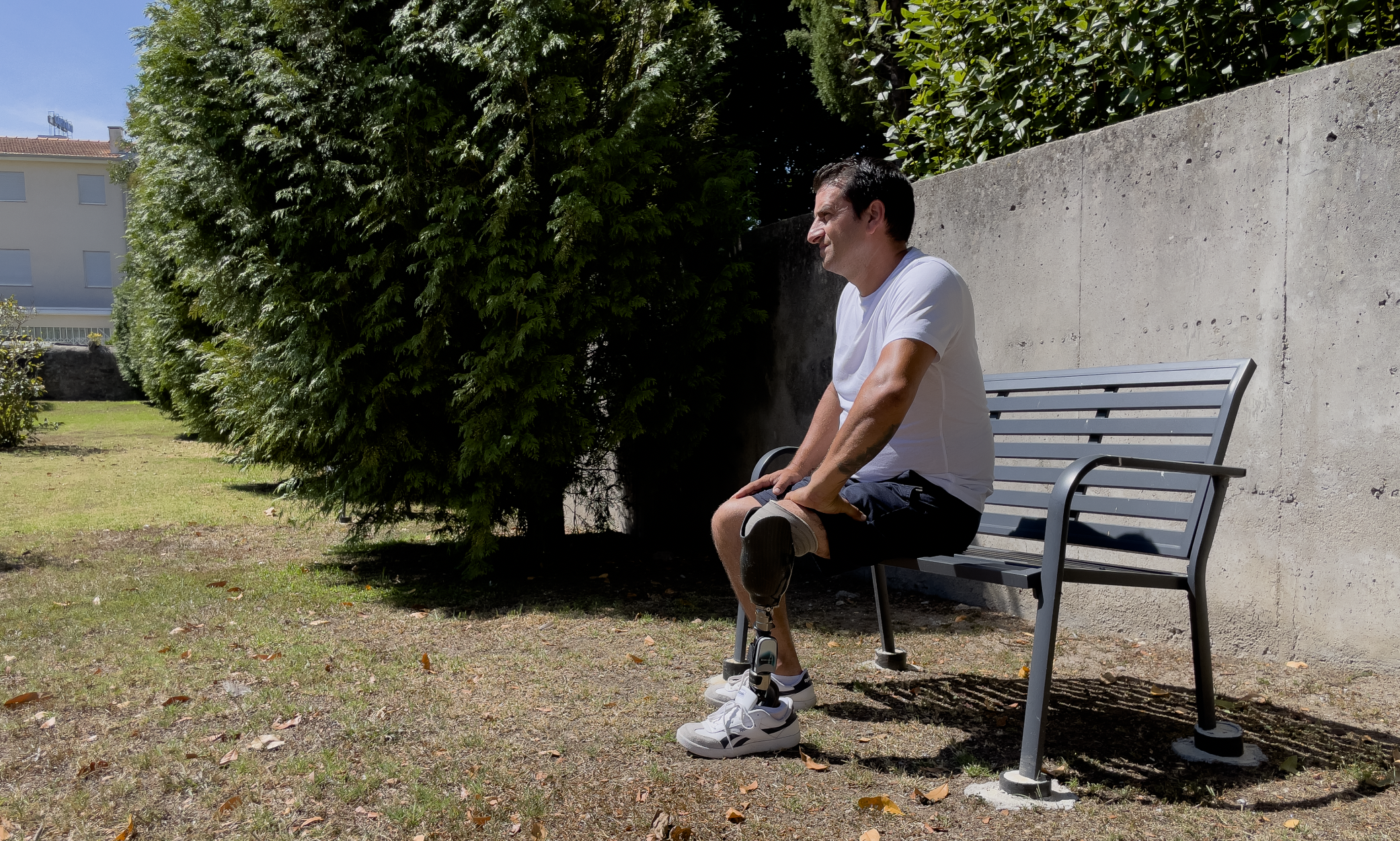
Hydrostatic Weight-Bearing is the optimal start for shape capture
Traditional casting can be inconsistent, driving discomfort, repeat visits, and rework
Prosthetic socket discomfort is rarely “just the socket.” It often begins earlier—when the residual limb’s shape and volume are captured without fully reflecting how the limb behaves under body weight.
The Majicast solution
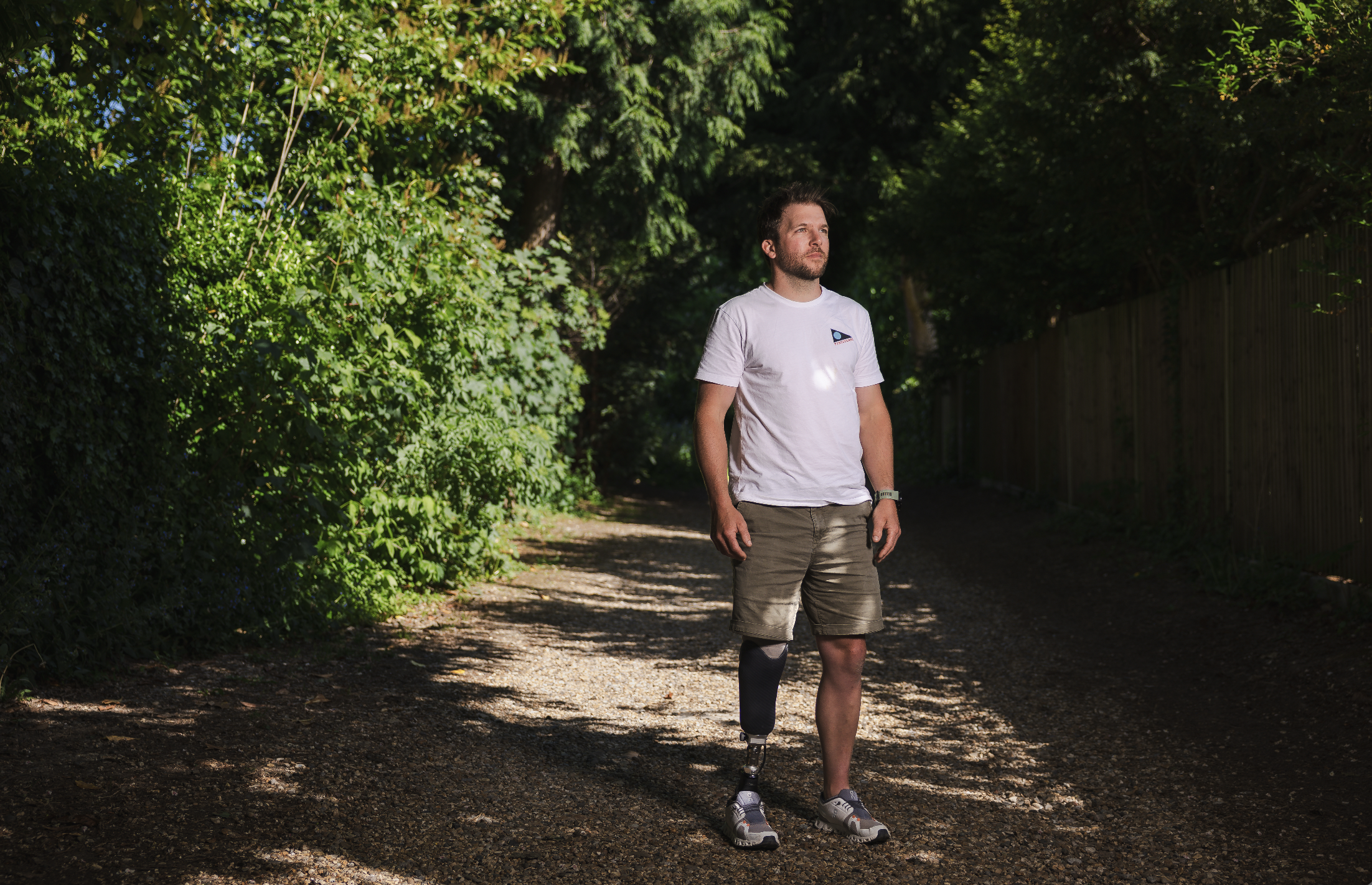
A direct-fit hydrostatic system for modern prosthetic clinics
Majicast is a direct-fit, hydrostatic weight-bearing casting system that captures the residual limb’s precise shape and volume under full load. Using evenly distributed hydrostatic pressure, it creates a personalised, total-contact shape in minutes, reflecting how the limb behaves in real life.
Majicast bridges clinical shape capture and digital design
Create a weight-bearing impression with Majicast, then scan the captured socket/shape into a 3D model for CAD/CAM and documentation
Testimonials
What are people saying about Majicast?
“Distal tissue control is critically important in prosthetic casting because it ensures accurate shaping and support of the residual limb’s distal end within the socket. Proper control of the distal tissues helps distribute pressure evenly, reduces the risk of skin breakdown, and prevents excessive distal end loading that can cause pain or tissue damage. By carefully managing distal tissue during the casting process, clinicians can create a prosthetic socket that improves comfort, stability, and overall prosthetic function for the user.”
Michael Taylor, CPO Amparo
“As an amputee there is nothing more important than the personalised connection to your prosthetic leg. A technically advanced ankle becomes obsolete without a correct fitting and a comfortable socket. The journey is far from simple and socket delivery can see long waiting times, protracted manufacturing and multiple clinic visits where the users voice can easily be lost.
Majicast gives the control back to the user. Being able to be fitted for a full contact socket in one appointment, give direct feedback to clinicians, make quick and effective adjustments and leave with a new socket on the same day has been a game changer. No other process offers quality, comfort and robustness in one appointment. Allowing me to spend more time living my life post amputation rather than sitting in waiting rooms hoping I’ll be walking by the end of the day.”
Stuart Croxford, Below-Knee Prosthetic User
We’ll show how Majicast supports repeatability across clinicians and patient profiles
FAQs
Hydrostatic weight-bearing fitting is a method of capturing the residual limb using fluid-based pressure while the patient applies full load through the limb. Because fluid pressure distributes evenly across the surface, the limb is supported in a total-contact environment during shape capture.
Majicast is currently available for transtibial fittings. Transfemoral capability is planned for a later release.
Majicast is designed for Amparo sockets.
Casting time is typically around 2–3 minutes (the time the user’s residual limb is inside Majicast for capture). “Under 60 minutes” refers to completing the pathway to a functional prosthetic device, depending on your clinic workflow and components.
Majicast uses the patient’s body weight to generate hydrostatic pressure. Clinicians can fine-tune the pressure to refine comfort and control while maintaining consistent load distribution.
Majicast is designed for short, intuitive training, so clinicians can adopt the process quickly and apply it consistently across the team.
Majicast does not require electricity. It only needs to be filled with water from a standard tap. Once filled, it operates as a closed hydrostatic system, making it suitable for treatment rooms, outreach programmes or mobile clinics.
Majicast weighs approximately 25 kg when empty and 55 kg when filled. The system is engineered to safely support patients up to 125kg during weight-bearing capture.
Yes. Majicast supports a standardised fitting process, helping different clinicians achieve consistent results across patients.
Yes. Majicast and the socket are biocompatible, and the socket material is a bioplastic (as part of the direct-fit workflow).
Book a meeting to see how Majicast can fit into your clinic—whether you’re replacing plaster casting, standardising outcomes across clinicians, or building a faster pathway to a functional prosthetic device



 English